By Zacharias Sifakis & Elena Katsouli
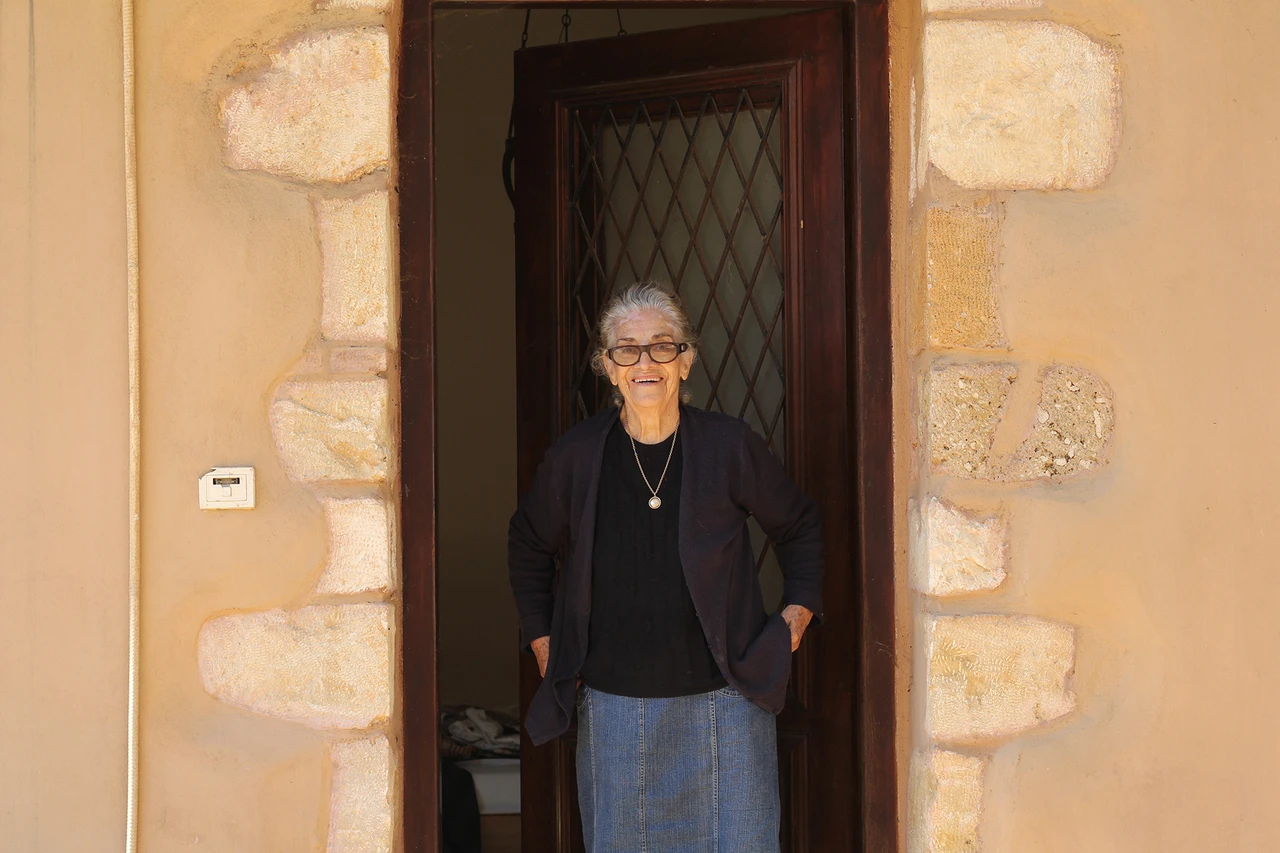
Falls among older adults are one of the most significant public health issues. They occur frequently and greatly affect quality of life and independence, while their consequences extend to family members as well. More than 1 in 4 older adults experience at least one fall, often inside the home—especially in the bedroom or bathroom.(1, 2, 3)
What Are the Consequences of Falls?
Falls can lead to serious injuries such as hip or spinal fractures, hospitalization, surgery, and long-term rehabilitation. They are also often accompanied by psychological consequences, such as:(4, 5):
- Anxiety and reduced self-confidence
- Fear of falling again
- Social isolation and avoidance of activities
- Reduced mobility and independence
Main Reasons Why Older Adults Fall
- Reduced balance and muscle strength
- Vision problems and poor lighting
- Dizziness or orthostatic hypotension
- Polypharmacy (≥ 4–5 medications)
- Difficulty walking and limited ability to perform daily activities
- Depression
Additional risk factors include age >80 years, female sex, arthritis, diabetes, chronic pain, incontinence, and a history of previous falls (6).
Why Do We Fall More Easily as We Age?
In younger people, the body automatically corrects small balance losses without conscious effort, thanks to fast neuromuscular mechanisms. In older adults, issues such as muscle weakness, neuropathy, or neurological conditions (e.g., Parkinson’s disease) disrupt these mechanisms. The brain must intervene more actively to maintain balance, slowing reaction times and increasing cognitive load. The body therefore reacts more slowly and less effectively, increasing fall risk. (7).
Another important cause of falls in older adults—especially those with diabetes—is hypoglycemia. When blood sugar drops, a person may experience:
- Confusion or disorientation
- Weakness
- Difficulty controlling movements
This significantly increases the likelihood of falling. (8).
Fall Prevention Measures
Proper organization and modification of the home can significantly reduce fall risk. Key measures include:
- Removing hazards (e.g., rugs, cables)
- Using non-slip surfaces and ensuring good lighting
Equally important is proper management of medication—especially in cases of polypharmacy or psychotropic drugs—as well as vitamin D supplementation when needed. Wearing comfortable, supportive shoes and maintaining good foot care also improve lower limb function. Finally, enhancing confidence and participating in fall-prevention programs help reduce fear of falling and support psychological well-being. (9, 10).
The Role of Physiotherapy in Fall Prevention
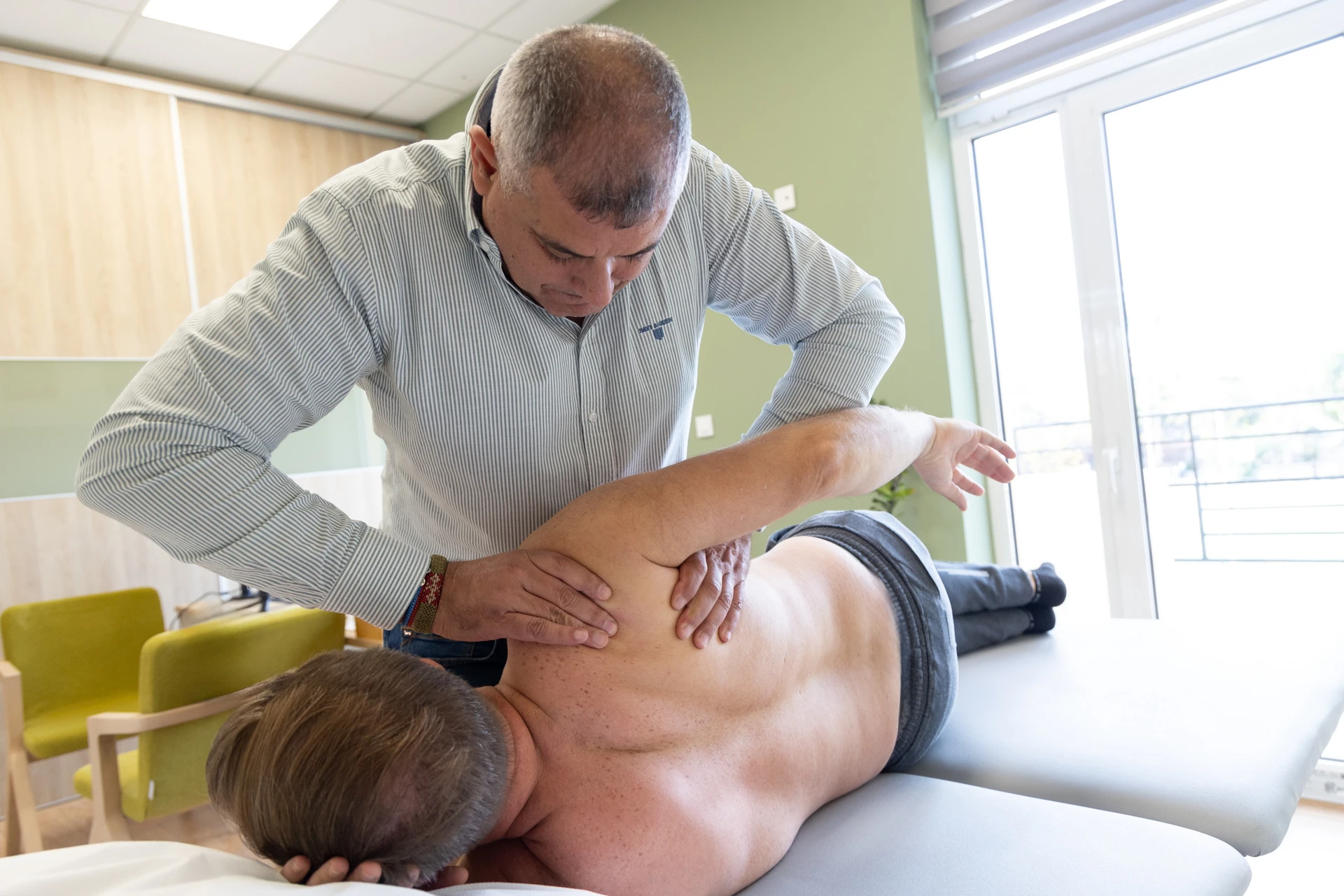
Physiotherapy for older adults offers significant physical, psychological, and social benefits, improving quality of life, mobility, and independence.
- Balance training improves both static and dynamic stability, while also enhancing confidence. (11).
- Strength training, especially for the lower limbs, makes daily activities such as walking and stair climbing easier. Regular exercise also improves endurance and functional independence. (1,12,9)
- Supervised group exercise programs have been shown to increase muscle mass, strength, and overall motor function. (13)
Exercise programs that combine balance and strength training—rather than focusing solely on walking—are highly effective for older adults. Such programs can reduce the rate of falls by up to 34% compared to those who do not participate, offering greater safety in everyday life.(12,14).
References
- World Health Organization. (2008). WHO global report on falls prevention in older age. World Health Organization.
- Salari, N., Darvishi, N., Ahmadipanah, M. et al. Global prevalence of falls in the older adults: a comprehensive systematic review and meta-analysis. J Orthop Surg Res 17, 334 (2022).
- Lytras, D., Sykaras, E., Iakovidis, P., Kasimis, K., Myrogiannis, I., & Kottaras, A. (2022). Recording of falls in elderly fallers in Northern Greece and evaluation of aging health-related factors and environmental safety associated with falls: A cross-sectional study. Journal of Environmental and Public Health, 2022, Article 9292673.
- Jamal Sepah, Y., Umer, M., Khan, A. et al. Functional outcome, mortality and in-hospital complications of operative treatment in elderly patients with hip fractures in the developing world. International Orthopaedics (SICOT) 34, 431–435 (2010).
- Thomas M. Gill, Terrence E. Murphy, Evelyne A. Gahbauer, Heather G. Allore, Association of Injurious Falls With Disability Outcomes and Nursing Home Admissions in Community-Living Older Persons, American Journal of Epidemiology, Volume 178, Issue 3, 1 August 2013, Pages 418–425,
- Appeadu, M. K., & Bordoni, B. (2023). Falls and fall prevention in older adults. In StatPearls [Internet]. StatPearls Publishing.
- Richardson, James K. MD. Imbalanced: The Confusing Circular Nature of Falls Research…and a Possible Antidote. American Journal of Physical Medicine & Rehabilitation 96(1):p 55-59, January 2017.
- Kachroo, S., Kawabata, H., Colilla, S., Shi, L., Zhao, Y., Mukherjee, J., ... & Fonseca, V. (2015). Association between hypoglycemia and fall-related events in type 2 diabetes mellitus: analysis of a US commercial database. Journal of managed care & specialty pharmacy, 21(3), 243-253.
- Karlsson, M. K., Magnusson, H., von Schewelov, T., & Rosengren, B. E. (2013). Prevention of falls in the elderly—a review. Osteoporosis international, 24(3), 747-762.
- Schnock, K. O., Howard, E. P., & Dykes, P. C. (2019). Fall prevention self-management among older adults: a systematic review. American journal of preventive medicine, 56(5), 747-755.
- Zhao, Y., Chung, P. K., & Tong, T. K. (2017). Effectiveness of a balance-focused exercise program for enhancing functional fitness of older adults at risk of falling: A randomised controlled trial. Geriatric Nursing, 38(6), 491-497.
- Sherrington, C., Whitney, J. C., Lord, S. R., Herbert, R. D., Cumming, R. G., & Close, J. C. (2008). Effective exercise for the prevention of falls: a systematic review and meta‐analysis. Journal of the American Geriatrics Society, 56(12), 2234-2243.
- Tsekoura, M., Billis, E., Tsepis, E., Dimitriadis, Z., Matzaroglou, C., Tyllianakis, M., ... & Gliatis, J. (2018). The effects of group and home-based exercise programs in elderly with sarcopenia: a randomized controlled trial. Journal of clinical medicine, 7(12), 480.
- Fusco A. (2019). What are the effects of exercise interventions for preventing falls in older people living in the community? - A Cochrane Review summary with commentary. Journal of musculoskeletal & neuronal interactions, 19(4), 385–388.